
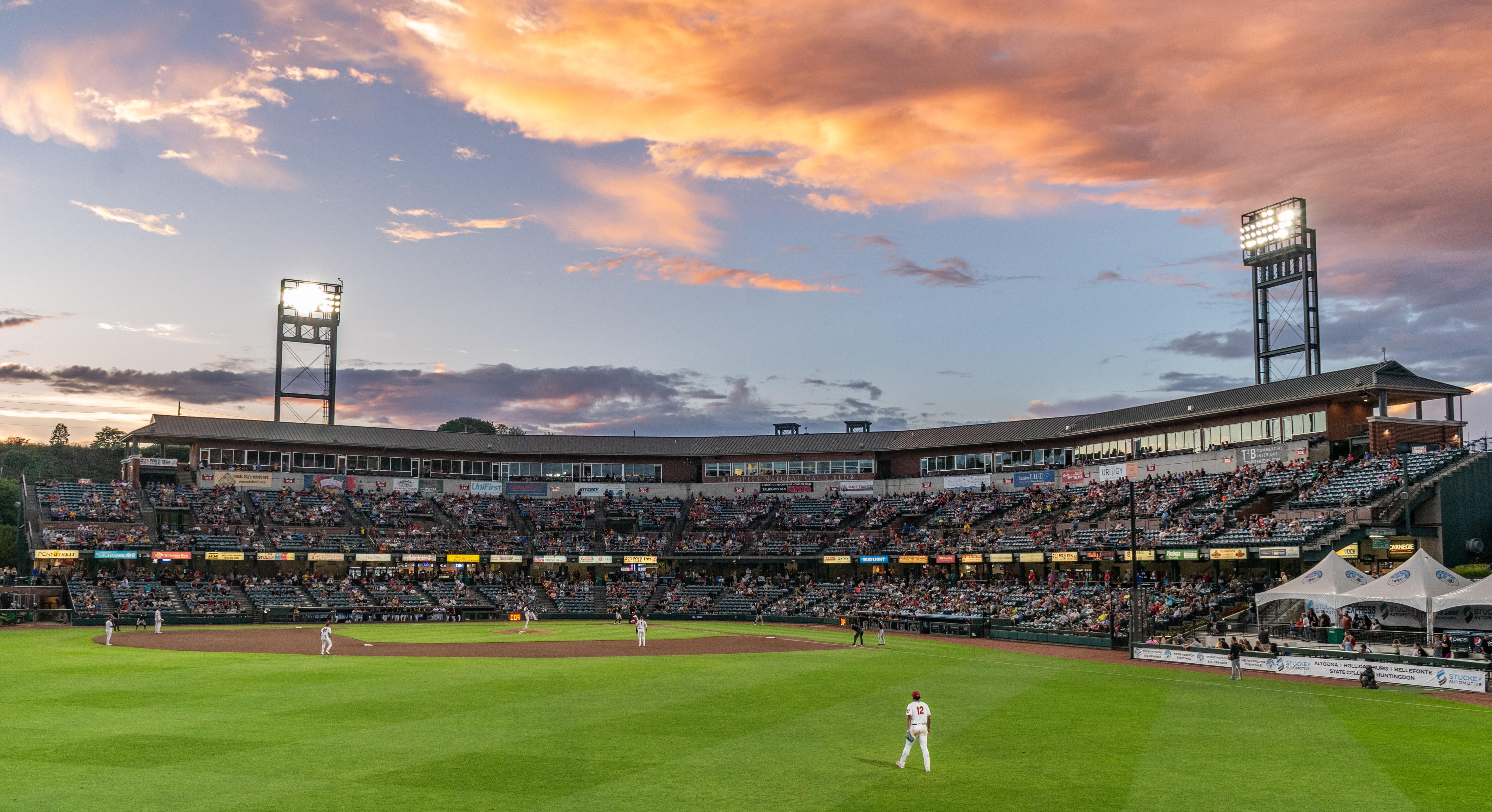

Although characterized by a seemingly ever-changing rotation of teams and facilities, Minor League Baseball is a quintessential summertime staple for the communities in which it’s present. In 2025, two teams shifted to new ballparks within their region, and pro ball returned to two different markets that had hosted it previously. Next year, even more changes are on the horizon, including a handful of new parks on the East Coast and a California League shuffle. But despite the chaos, most of the affiliated circuits have remain unchanged for years, growing deep roots in their respective areas. With 119 total parks from which to choose, from fresh fields to stalwart stadiums, these are the best – and worst – facilities in Minor League Baseball.

Best Overall Ballpark: Synovus Park
Home of the Columbus Clingstones (AA)
Known since its inception as Golden Park, Columbus’ baseball stadium was rebranded in 2025 as Synovus Park to coincide with its complete transformation in preparation for the return of Minor League Baseball to the city. The ballpark is a masterful fusion of historic and contemporary, exemplifying exactly how the new ballpark trend should be: how old venues can retain their history despite revitalization, how they can be saved from the wrecking ball by simply renewing what is already standing and how new architecture can coalesce with that of the brick and steel of yesteryear. What’s happened here in Columbus is precisely how it should be everywhere in new stadium construction – particularly in affiliated baseball – and one can only hope that other teams looking for a new home will learn from the masterminds behind Synovus Park.
Runner Up: Fort Wayne TinCaps
Worst Overall Ballpark: Buffalo Bisons

Best New-ish Ballpark (<5yrs): Polar Park
Home of the Worcester Red Sox (AAA)
Opened in 2021 to host the relocated Triple-A affiliate of the Boston Red Sox, Polar Park marked the triumphant return of professional baseball to the Worcester area. The stadium, which is integrated perfectly into the tight street grid of the formerly industrial city, is full of unique elements that sets it apart from other new-construction ballparks. A quirky outfield arrangement includes Adirondack chair-filled berms and a whole city block consolidated into the stadium footprint, while fun event spaces and patios open to all fans make up most of the areas down the lines.
Runner Up: Beloit Sky Carp
Worst New-ish Ballpark: Salt Lake Bees

Best Outfield View: Truist Field
Home of the Charlotte Knights (AAA)
Featuring one of the most impressive outfield views in baseball, Charlotte’s Truist Field has been consistently ranked a top minor-league facility. The stadium boasts an intimate urban setting, nestled amongst the skyscrapers of the Uptown skyline, and a welcoming social environment. Home of the Triple-A Charlotte Knights, the glamorous Uptown ballpark has been the crown jewel of the Queen City sports scene for more than a decade.
Runner Up: Indianapolis Indians
Worst Outfield View: Any park with just endless trees

Best Scoreboard: First Horizon Park
Home of the Nashville Sounds (AAA)
With their roots tracing back nearly half a century, the Nashville Sounds are the longest-running professional sports franchise in the Music City and have become a beloved part of the region’s cultural fabric over the years. From their inception until 2014, the Sounds competed at Herschel Greer Stadium, a 10,000 seat park located on the site of an old Civil War installation called Fort Negley. Prior to the 1993 season, the iconic guitar-shaped scoreboard that Greer came to be known by was installed. Although the venue would eventually be replaced by First Horizon Park, the unique scoreboard style was carried over in the form of a state-of-the-art videoboard. This guitar-shaped monstrosity remains the most eye-catching feature of the ballpark, which opened its doors in 2015 at a cost of over $91 million.
Runners Up: Knoxville Smokies, Sugar Land Space Cowboys
Worst Scoreboard: Memphis Redbirds

Best Fan Experience: Day Air Ballpark
Home of the Dayton Dragons (AA)
Home to what is undeniably the best Minor League Baseball experience at any level, Dayton’s Day Air Ballpark has been a staple in the southwest Ohio community for more than 25 years. The ballpark holds a little over 8,000 people, which it has on a nightly basis since its inception in 2000, selling out every game in Dragons history. Recording nearly 1,500 consecutive sold out games – the most in any pro sport in America – the Dragons are a fan-friendly powerhouse. With both on- and off-field antics and promotions, as well as engaging chants and songs, the Dragons put on a nightly entertainment spectacle.
Runners Up: Altoona Curve, Reading Fightin’ Phils
Worst Fan Experience: Rochester Red Wings

The Cookie-Cutter Nirvana Club
One can’t have a discussion of the best and worst minor league facilities without including what we call “The Cookie-Cutter Nirvana Club.” This exclusive group of ballparks deserves an honorable – or dishonorable – mention for their lack of creativity and inspiration, copycat features and overdone amenities. Among the most serious contemporary offenders are Atrium Health Ballpark (Kannapolis Cannon Ballers), Toyota Field (Rocket City Trash Pandas), Bowling Green Ballpark (Bowling Green Hot Rods), Segra Park (Columbia Fireflies), First National Bank Field (Greensboro Grasshoppers), Coolray Field (Gwinnett Stripers), Segra Stadium (Fayetteville Woodpeckers), Greater Nevada Field (Reno Aces) and Truist Stadium (Winston-Salem Dash). These stadiums all share striking similarities and have mind-numbingly duplicated designs. They’re among the most bland and unexciting – yet, they may not even be the true bottom of the barrel. The second class of ballparks, the suburban parking-oriented concrete eyesores, are arguably the best example of cookie-cutter nirvana and include venues such as Prince George’s Stadium (Chesapeake Baysox), Classic Park (Lake County Captains), Daniel S. Frawley Stadium (Wilmington Blue Rocks), Gesa Stadium (Tri-City Dust Devils) and Arthur W. Perdue Stadium (Delmarva Shorebirds).
Leave a Reply