


Whether the construction crew knew it or not, John Paul Jones Arena was built to be a cathedral—a sanctuary for something greater than basketball itself. Fourteen thousand, five hundred roomy blue seats were bolted into place, each one to serve as ground zero for generations of memories. Above it all, Admiral John Paul Jones’ immortal words – “We have not yet begun to fight!” – were carefully etched above the Hoo Crew’s Jeffersonian pergola, a silent promise that one day, it would preside over the grandest banner in the sport. A promise waiting to be fulfilled.
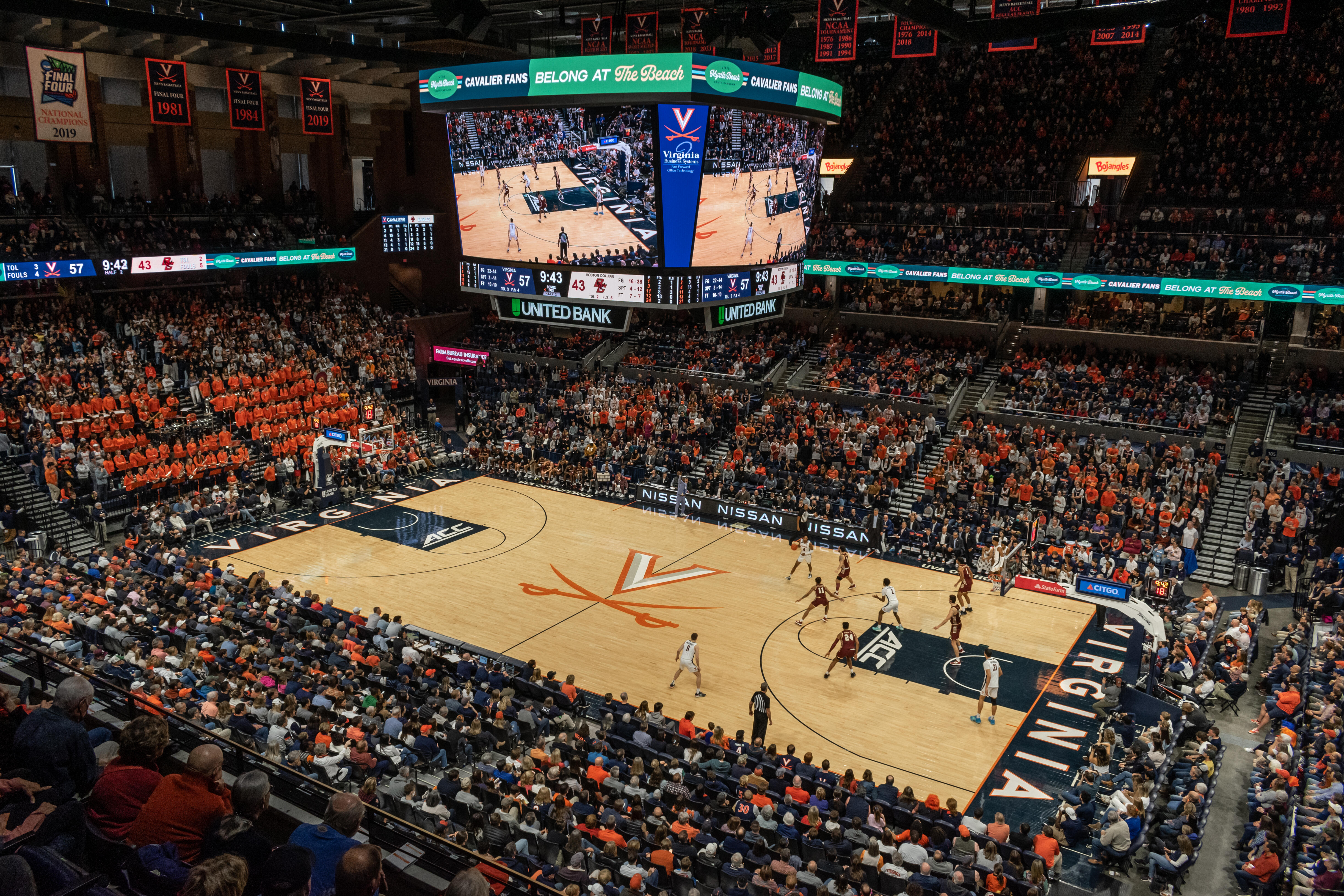
When the doors first opened in 2006, the old heads whispered doubts—was this place too big? Too polished? Too corporate? University Hall had been cramped, imperfect, but intimate. The noise bounced off the circular concrete roof like a battle drum. It had Ralph. It had history.
JPJ had modernity. But no soul; at least, not yet. History is not inherited, but rather earned. And for all its beauty, JPJ still had to prove itself worthy of what came before.
That first night, the greatest show in sports unfolded under the bright lights. Pregame fireworks erupted, then laser shows cut through the hazy air. Cavman descended from the rafters with the game ball as legendary ring announcer Michael Buffer’s voice shook the arena. Lute Olson’s 10th-ranked Arizona Wildcats came out swinging, building a 19-point lead before halftime.
What began as a euphoric christening felt like it was unraveling into a humbling beatdown.
But the Cavaliers had not yet begun to fight.
Sean Singletary and J.R. Reynolds chipped away at the sizable deficit, each bucket filling the once-dormant crowd with hope. And when Mamadi Diane buried a flurry of threes to cap off the improbable comeback, the building pulsed with new life. JPJ had been christened in fire – not just by the pregame spectacle, but also by the resilience of a program that refused to let its story be written by anyone else.
That was the first flicker. But JPJ needed a steward, a builder, someone who could breathe life into the place not just for one night, but for generations.
That someone arrived in 2009, unassuming and unwavering. Tony Bennett walked through those doors carrying a philosophy that flew in the face of the modern game. The sport worshiped speed, flash, and instant gratification. But Bennett spoke of no quick turnaround. His system was deliberate, methodical – a five-pillared rock built on trust and patience.
No promises. No shortcuts. Only this:
“If we build it right, it will last.”
His first seasons weren’t empty years. They were years of planting and tilling. Learning how to compete before learning how to win. There were flashes – Bennett was victorious over three ranked teams within his first two months. The whisper of belief began to stir.
Then came the players who saw the vision before it materialized – Joe Harris, Akil Mitchell. They weren’t five-star recruits. But they understood this place wasn’t meant to be a stepping stone. It was meant to last.
By 2013, the future was here. UVA was ranked in the preseason poll for the first time under Bennett’s watch. But following a 35-point beatdown in Knoxville, the Hoos had work to do entering ACC play. While the Downtown Mall was celebrating New Year’s Eve, Joe Harris drove to Tony’s house to figure things out. The season that changed everything was on the verge of going sideways. The super senior sat with the collected coach, hashing out the turnaround. When the calendar flipped to 2014, Tony claimed his house.
A 12-game ACC win streak. Brogdon’s buzzer-beater at Pitt, sending the Oakland Zoo home in stunned silence. The Cavs weren’t the fastest. They weren’t the flashiest. But they were methodical, relentless. A symphony of patience in a world that worshiped chaos.
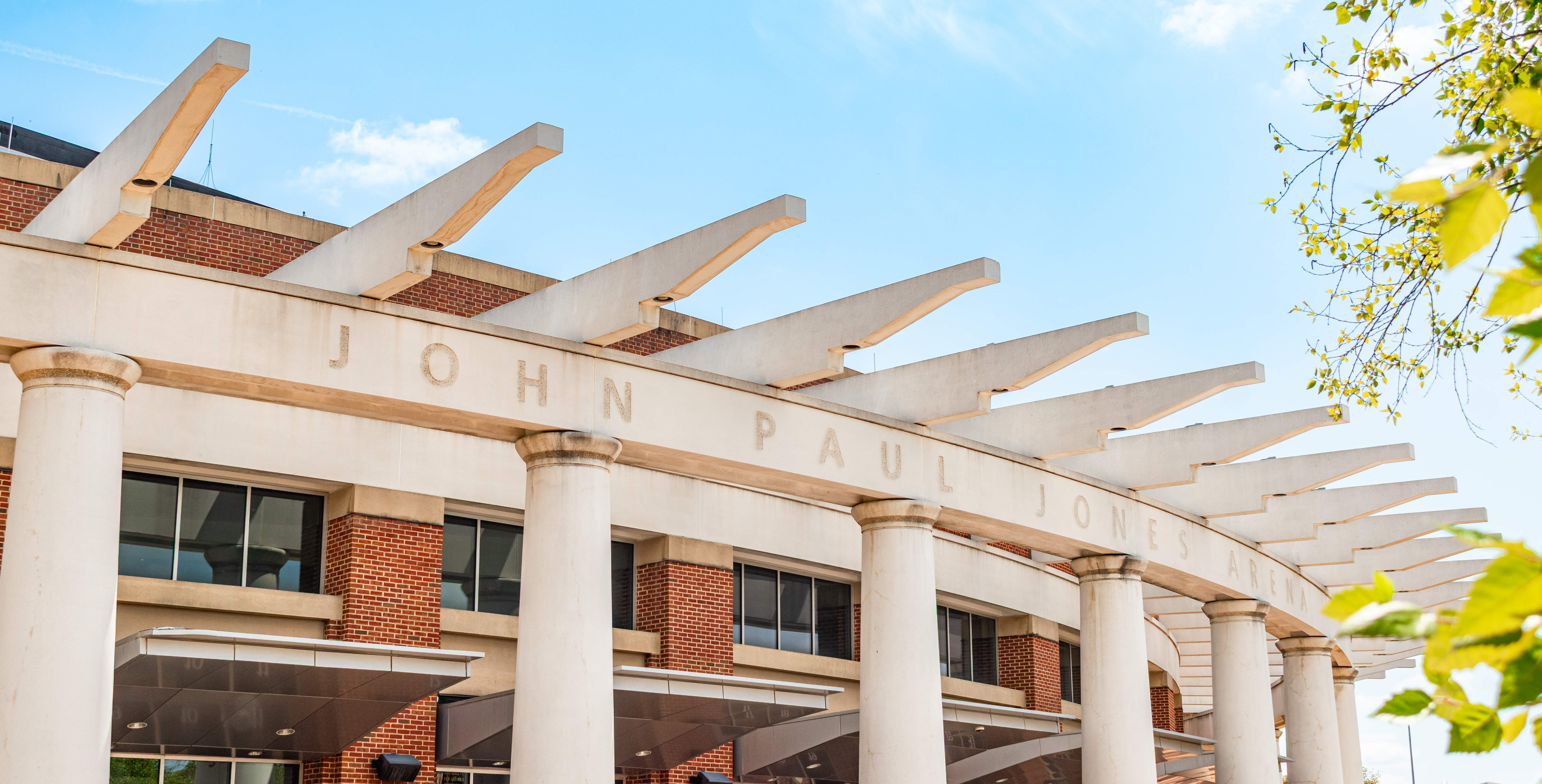
JPJ, once deemed too big and too empty, began to sway under the weight of the college basketball universe. When No. 4 Syracuse came to town, an ACC regular season title on the line, the crowd didn’t just watch. They willed it into existence.
A dogfight for 20 minutes, Virginia basketball put on a clinic for the final 20. And when Thomas Rogers – a walk-on – hit a deep three in garbage time, the crowd erupted. It wasn’t just an exclamation point. It was a baptism.
Tony climbed the ladder that night, scissors in hand, snipping the final strand of net. JPJ had transcended brick and mortar. It was no longer a building. It was a fortress.
For the next decade, JPJ was a furnace. The shot clock wasn’t just a timer – it was a ticking metronome of pressure. Every second faster, every possession heavier, every shot more contested. When the inevitable shot clock violation arrived, the crowd’s eruption wasn’t just celebration – it was ritual. JPJ had awoken for good, and it was praised by coaches and media alike as one of the great arenas in college basketball.
Rick Pitino felt it too. After his first game at JPJ, a five-point loss for his No. 9 Louisville squad, he left Charlottesville shaken.
“They all stand up with 10 seconds to go on the shot clock, cheering their team on defensively. I have not seen that in my 40 years of college basketball.”
The old powers came to JPJ expecting a game. They left drained, broken and undone. This cycle repeated itself night in and night out for years, until it became almost unfair. The most legendary defense since Arkansas’ 40 Minutes of Hell, with the help of 14,000 rabid fans, systematically stifled every challenger that entered.
Then came 2018.
The Hoos dominated. They lost two games all season by a combined eight points. They were No. 1 in the nation. The world was certain – this was the year. Bennett Ball’s rise to national relevance reached an inflection point. Less than a decade into his tenure, his team was the odds-on favorite.
Then, the darkest of nights. UMBC 74, Virginia 54.
A loss that could have buried them, slamming the window shut forever. But Bennett didn’t break. He didn’t rage. He didn’t make excuses. Instead, he called it a painful gift.
“If you use adversity the right way, it takes you places you couldn’t have gone otherwise.”
Tony’s team didn’t mourn. It waited. The next year, JPJ came back to life. With the Ides of March fresh in the mind of many, the Hoos landed their revenge, game by game. The critics never left, but neither did the resolve. As Carsen Edwards threw flames, Virginia withstood the fire. Bennett preached “calm is contagious.” Kyle Guy channeled that at the charity stripe against Auburn. Two nights later, trailing by 3 in the title game, what happened in the next 22.5 seconds would define both the college basketball season, and the entire era of hoops lore.
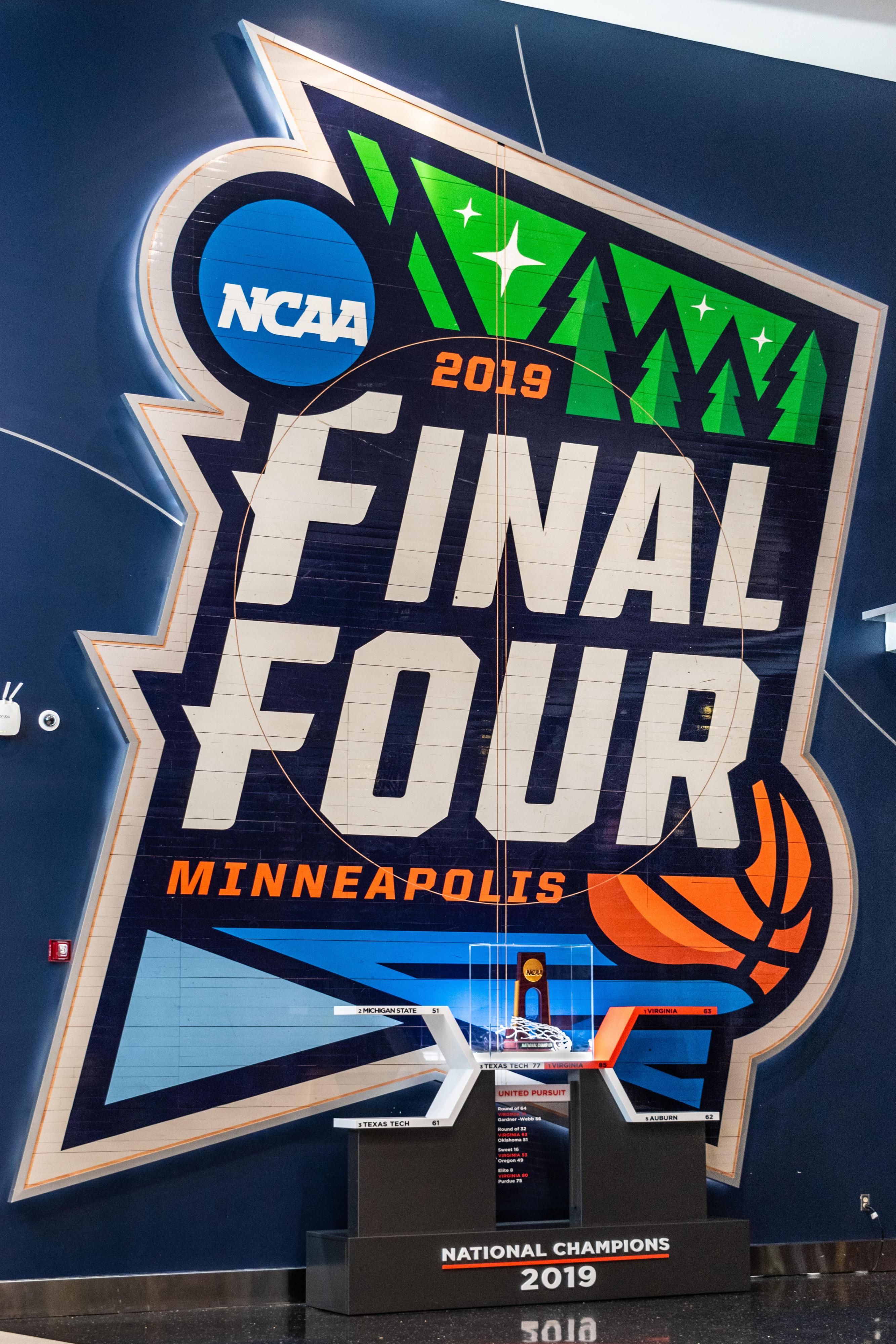
Yet, it wouldn’t define them. With poise embedded in their collective DNA, Ty Jerome swung a pass to De’Andre Hunter in the corner to tie it.
Hunter was unfazed, the net ungrazed. Five more minutes went on the clock. The rest? Inevitable. As the confetti fell, Tony dropped to one knee, scissors in hand, eyes to the heavens. He had built it right. And it had lasted.
His only plea in the locker room after? To stay humble. Tony Bennett was still the same man who walked onto grounds in the spring of 2009. No win, loss or draw could ever strip the legend of his richness in spirit. And without that peace, there is no banner.
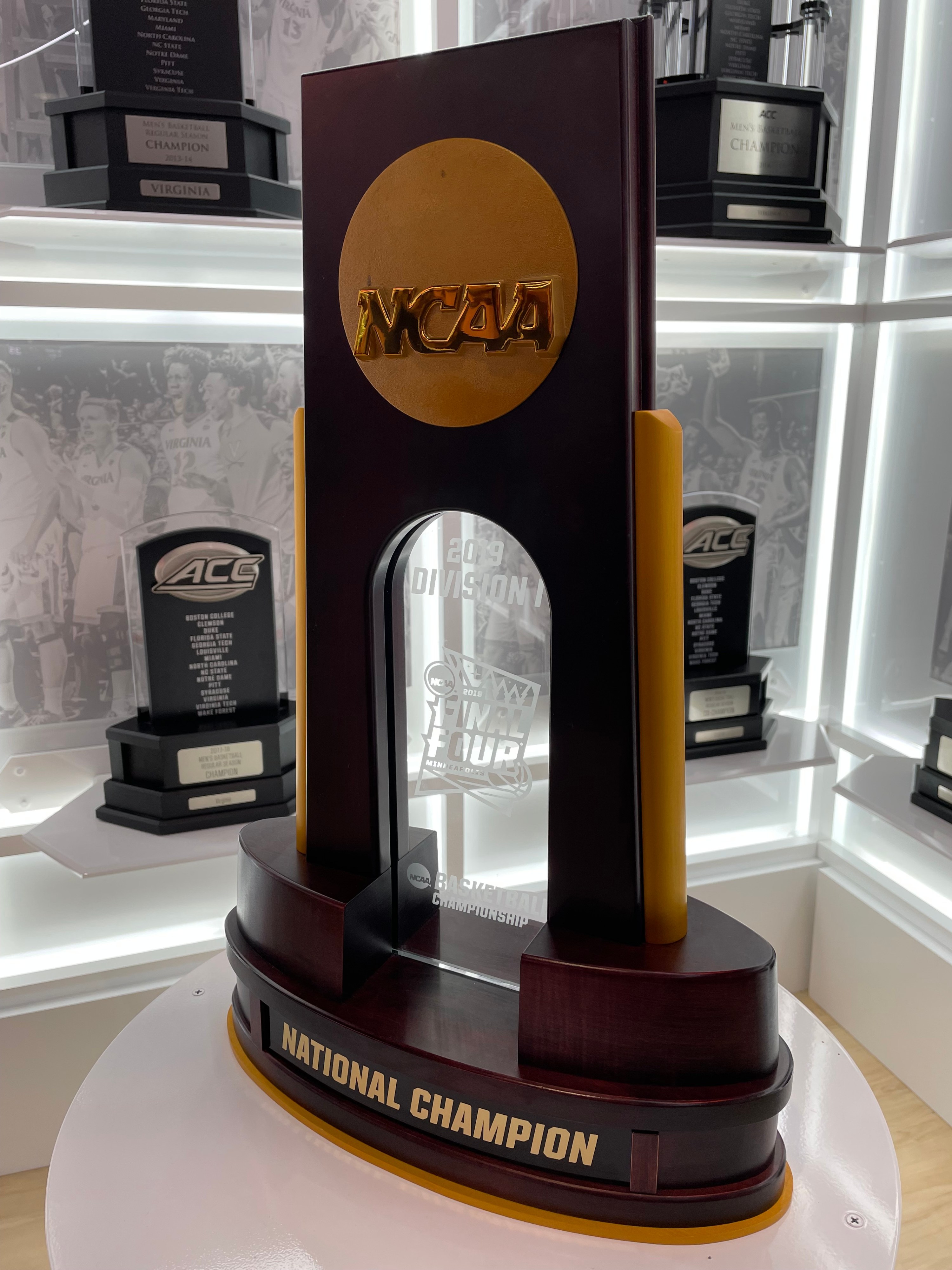
The next morning, Bennett’s boys returned home with a trophy in tow. As the bus pulled into the back arena lot, John Paul Jones Arena – the place once thought to be too big – stood larger than ever. It had patiently waited years for this moment. Finally, the promise fulfilled, and it was time to hang that banner beneath the same pergola meticulously laid more than a decade prior. The cathedral had found its purpose; the house had found its keeper.
In the years that followed, Tony coached on. He hung more banners. He stacked more ACC titles in vintage fashion, undeterred by the shifting sands of the sport around him. Amidst the transfer portal and NIL, the modern game became a revolving door of uncertainty, but none of it changed him. He remained steady and unwavering, his morals a foundation of five pillars that could never be shaken. And as he stayed, JPJ remained what he had turned it into – a house of horrors for the sport’s greatest coaches in their final years. One by one, the titans of the game faded into history, as Bennett’s Cavaliers remained an immovable force in the sport.
JPJ was no longer just an arena. It was no longer just a state-of-the-art facility. It was home, just as University Hall had been before it. U-Hall had belonged to Ralph. JPJ belonged to Tony. His teams had filled its hollow walls with a soul that would endure forever.
And one day, when the time was right, he left. Not because he had been conquered, but because he had done what he came to do.
The house was built.
And long after the final game has been played, long after the banners begin to fade, there will be a statue outside those doors – a quiet reminder of the man who shaped this place in his image. His presence will still linger in the rafters, in the echoes of the crowd, in the patient hum of a defense closing in on another shot clock violation.
Because as long as Tony Bennett watches over this Jeffersonian cathedral of college basketball, his pillars will remain ingrained in the hardwood forever.
Because this isn’t just an arena anymore.
This is Tony’s House.

Leave a Comment